Publicity
4.
Scientist of the Month
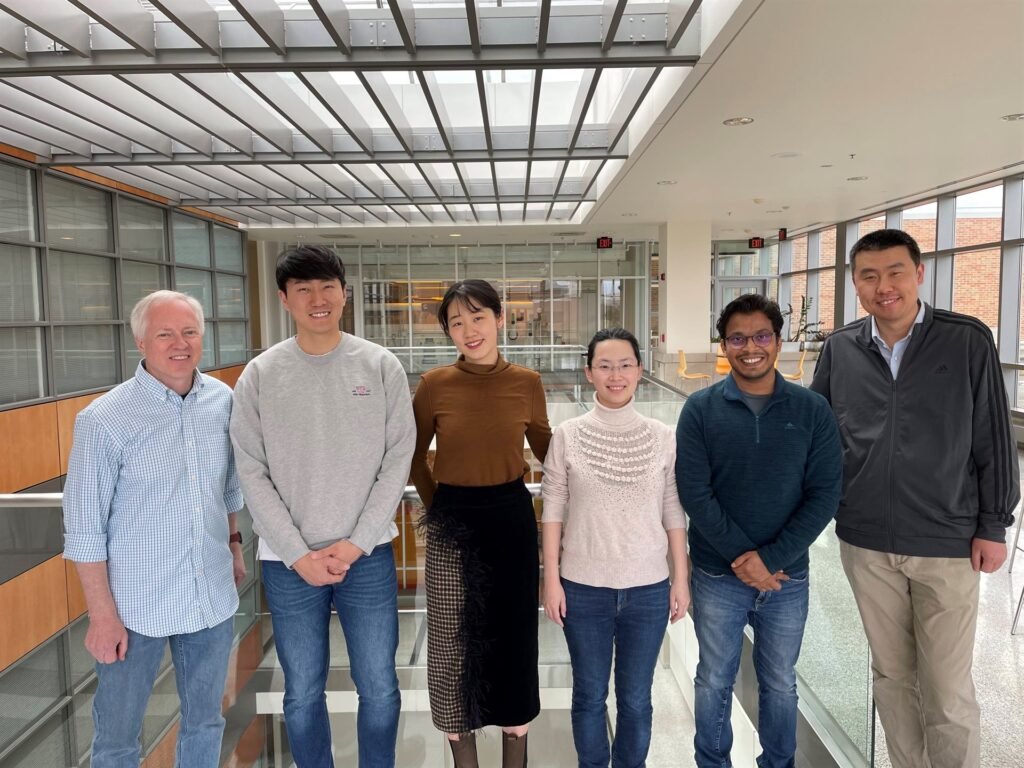
I was featured by the Institute of Genomic Biology as the scientist of the month! am honored to be featured and to reflect on my journey as a scientist and researcher—motivated by the goal of translating cutting-edge technologies into real-world diagnostic solutions that can save lives. From deep learning-enabled microscopy to point-of-care biosensing, I remain committed to pushing the boundaries of what’s possible in biomedical innovation.
https://www.igb.illinois.edu/article/igb-profile-han-keun-lee
3.
Early Innovator Program 1st Prize Winner
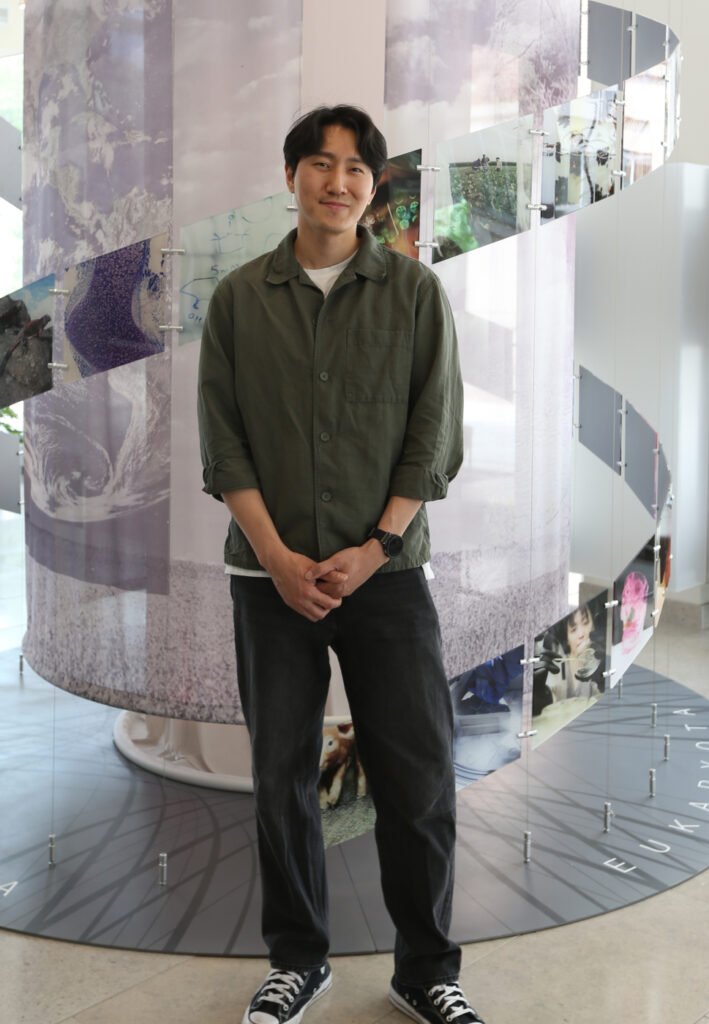
I am extremely excited to announce that I have been selected as the winner (1st place) of the 2025 Early Innovator Program (EIP), hosted by Institute of Genomic Biology. The EIP program is designed to support the transition of the scientific advancements into a practical commercializable services and products. With my recent publication of the LOCA-PRAM technology, I proposed the development of a diagnostic tool, namely PRAM-Zepto, to facilitate the accessible and early diagnostics of cancer and other diseases. With the financial support obtained through the program, I am excited to move the project forward to make changes in the diagnostic field.
https://www.igb.illinois.edu/index.php/article/summer-eip-pitch-contest-winners-chosen
2.
Machine learning method helps bring diagnostic testing out of the lab
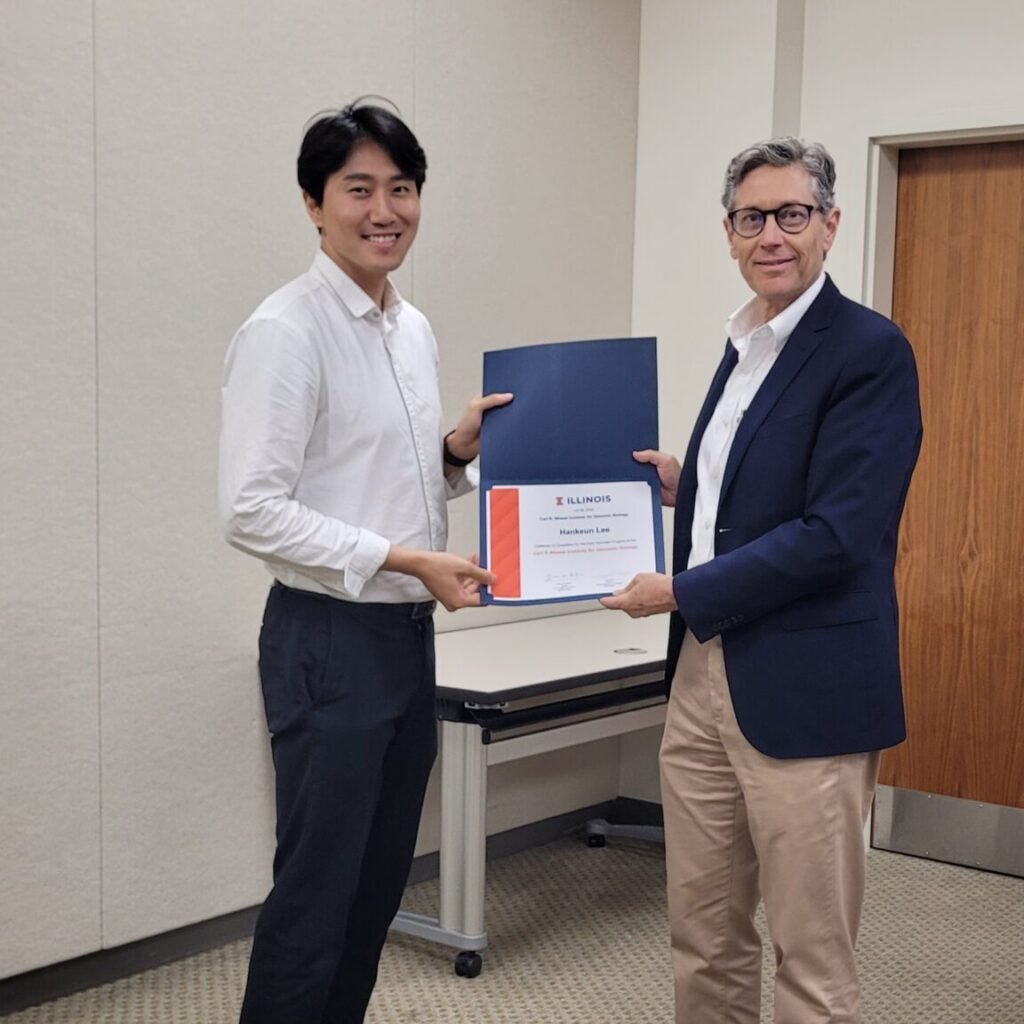
My recent work on LOcalization with Context Aware – Photonic Resonator Absorption Microscopy (LOCA-PRAM) has been recognized by the diagnostics field community. The PRAM technology poses great potential for disease diagnostics at Point-of-Care due to its robustness, simplicity, and high sensitivity. Despite the advantages, several challenges remain to be addressed, including the diagnostics result generation without human expert interpretation. Recognizing the critical needs, I decided to tackle the problem with a deep-learning approach, that not only automated the result-generation, but also improved the accuracy, in terms of the diagnostic result quantification.
https://www.igb.illinois.edu/index.php/article/machine-learning-method-helps-bring-diagnostic-testing-out-lab
1.
NIH RADx program awarded to commercialize viral biosensor
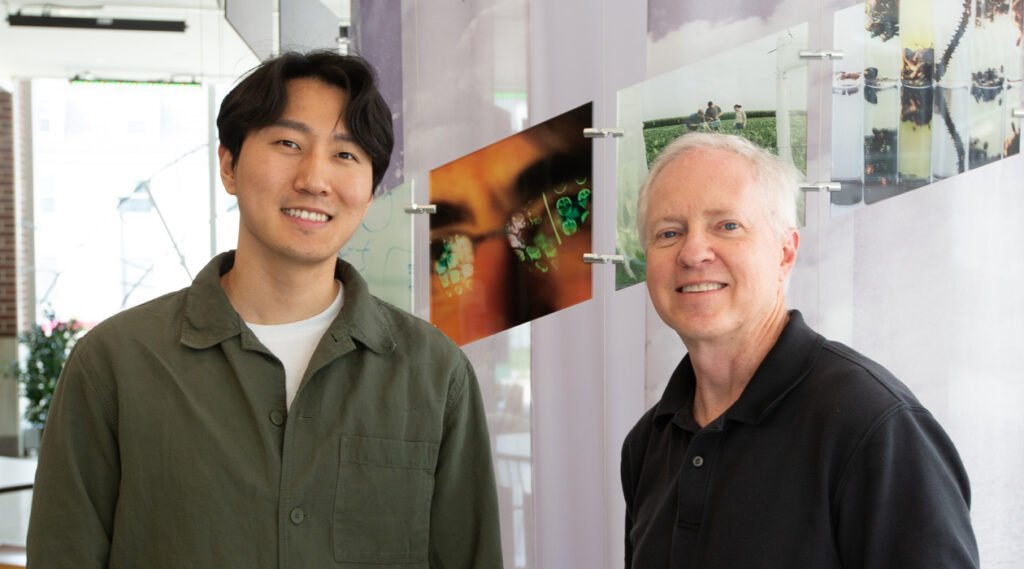
Our project on VPod received an additional funding from the National Institute of Health (NIH) to continue the effort to commercialize the viral sensing system. It is truly amazing that our team’s innovation is recognized and given the opportunity to further the reach of our technology.
https://bioengineering.illinois.edu/news/NIH-RADx-biosensor